
In 2026, compliance decides whether an electric wheelchair shipment clears customs or remains stuck for weeks. One missing certificate or incomplete battery report can halt a container, trigger a recall, or harm a brand. Compliance has become a core selection criterion when choosing an electric wheelchair manufacturer.
This guide follows the real purchasing journey and provides a practical checklist for every evaluation stage.
Why Compliance Matters More Than Price in 2026
Rising Regulatory Scrutiny
Regulatory checks have tightened across major markets. Authorities now examine medical device rules, battery safety, labeling accuracy, and component traceability with greater intensity than before.
The Risk of Incomplete Documentation
Many still rely on verbal assurances or a handful of PDF files. That approach creates avoidable risk. A professional electric wheelchair manufacturer must deliver verifiable, complete, and current documentation from the outset.
Price and minimum order quantity remain important, yet they no longer outweigh regulatory readiness. Those who continue to rank suppliers mainly by cost often benefit from the fundamentals covered in this practical guide for selecting a reliable manufacturer. Early attention to compliance reduces later delays and protects long-term supply continuity.
Core Certifications Every Reliable Electric Wheelchair Manufacturer Must Hold
Essential Certificates to Request Early
The evaluation process begins with foundational certificates. These documents should be requested early and checked against official databases whenever possible.
|
Certification |
Main Market |
What to Check |
|
CE |
European Union |
Validity under current MDR or relevant directives |
|
FDA |
United States |
Registration status or 510(k) pathway documents |
|
E-MARK |
Europe (road use) |
Alignment with applicable vehicle or mobility rules |
|
FCC |
United States |
Coverage for models that include wireless features |
|
RoHS / REACH |
EU and global markets |
Clear restricted substances declaration |
|
ISO 13485 / ISO 9001 |
Global |
Evidence of a functioning quality management system |
Why Verification Matters
A trustworthy electric wheelchair manufacturer shares certificate numbers openly and accepts third-party verification. Incomplete or unverifiable certificates signal potential problems later in the supply chain. These certificates form part of the broader quality benchmarks outlined in our evaluation of industry leaders.
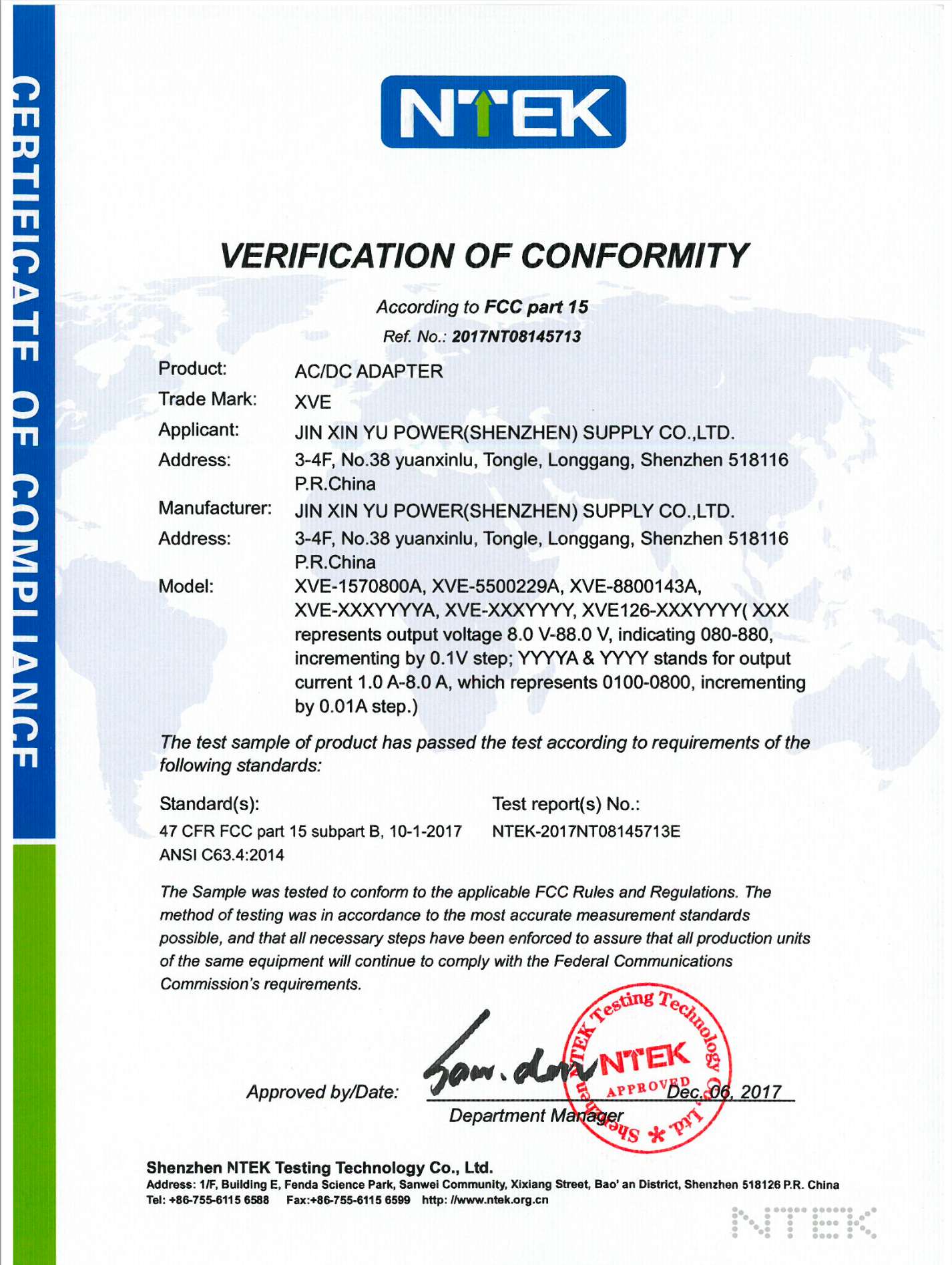
Beyond the presence of certificates, the depth of supporting technical files matters. Manufacturers that maintain living documents updated with regulatory changes demonstrate stronger operational discipline than those that treat certificates as static sales tools.
Battery Safety and Transport Compliance
Critical Battery Documents
Battery-related issues remain the most frequent cause of customs delays and safety incidents. The exact battery model used in the wheelchair must be matched to current test reports.
Key documents include a valid UN38.3 test report, an up-to-date MSDS or SDS, evidence of thermal protection and safety valve design, and clear packaging rules for air, sea, and land transport. System-level safety features carry more weight than isolated component claims. An explosion-proof battery safety valve combined with integrated BMS monitoring indicates that the manufacturer treats battery safety as a core engineering responsibility rather than an afterthought.
Engineering Approach to Safety
Related technical details appear on our core mobility technologies page. When these elements are designed into the product from the beginning, the risk of last-minute compliance gaps decreases significantly. Transport regulations continue to evolve, so manufacturers that track changes and update documentation proactively offer greater protection against unexpected holds at ports or airports.
Market-Specific Requirements You Must Confirm
Differences Across Key Regions
Regulatory pathways differ by destination. A capable electric wheelchair manufacturer already understands these differences and prepares documentation accordingly.
In the European Union, technical files, risk management summaries, and post-market surveillance plans must align with the correct CE pathway. In the United States, FDA establishment registration, device listing, and accurate labeling form the baseline. The United Kingdom requires UKCA marking together with matching technical files. Australia, Canada, GCC countries, and major Southeast Asian markets each impose their own labeling languages and registration steps.
Validating Export Experience
It is useful to ask which markets the manufacturer has successfully shipped to during the past twelve to twenty-four months and to request evidence of clearance when available. Experience in the specific destination reduces the chance of unexpected documentation requests during customs review. Manufacturers that can map requirements across several regions simultaneously demonstrate stronger export capability than those focused on a single market.
Documentation Package a Professional Manufacturer Should Provide
Minimum Package Contents
A complete package should be available before any deposit or contract signature. The package typically contains the full set of valid certificates with verification numbers, a Declaration of Conformity, UN38.3 and battery safety reports, a risk analysis summary, labeling and Instructions for Use samples in the required languages, traceability and batch control procedures, and factory quality system certificates.
Timing and Preparedness
Manufacturers that treat this package as standard practice are better prepared for sustained export work. This level of readiness also supports deeper private-label collaboration described in our OEM solutions for distributors. When documentation is incomplete at the quotation stage, the probability of later delays rises. Requesting the full set early filters out suppliers that cannot meet basic export standards.
Red Flags That Should Stop the Conversation
Clear Warning Signs
Certain signals warrant immediate caution. Certificates that cannot be verified online, incomplete or outdated battery documents, inability to explain the regulatory pathway for the target market, generic certificates issued by unknown bodies, and pressure to place large orders before full documentation arrives all indicate elevated risk.
Impact of Ignoring Warning Signs
Any one of these issues can escalate into costly delays or compliance failures after production has begun. Addressing them before commitment protects both timeline and reputation.
Practical Buyer Checklist
Step-by-Step Verification Table
The following table consolidates the essential verification steps for every potential electric wheelchair manufacturer.
|
Step |
Check Item |
Status |
|
1 |
All core certificates verified and current |
☐ |
|
2 |
UN38.3 reports match the exact battery model |
☐ |
|
3 |
MSDS / SDS provided |
☐ |
|
4 |
Market-specific rules for the destination confirmed |
☐ |
|
5 |
Full technical documentation package available |
☐ |
|
6 |
Labeling and language requirements understood |
☐ |
|
7 |
Traceability system explained |
☐ |
|
8 |
Recent successful export experience to similar markets |
☐ |
|
9 |
Contract includes clear compliance responsibilities |
☐ |
|
10 |
Support for future certificate updates offered |
☐ |
Completing this list before final selection creates a clear record of due diligence and highlights gaps that require resolution.
How Leading Manufacturers Reduce Compliance Burden
Proactive Practices
The strongest electric wheelchair manufacturers move beyond static certificates. They maintain technical files that update when regulations change, notify partners of upcoming shifts, support private-label labeling and Instructions for Use localization, and design products with compliance requirements in mind from the earliest engineering stage.
Long-Term Advantages
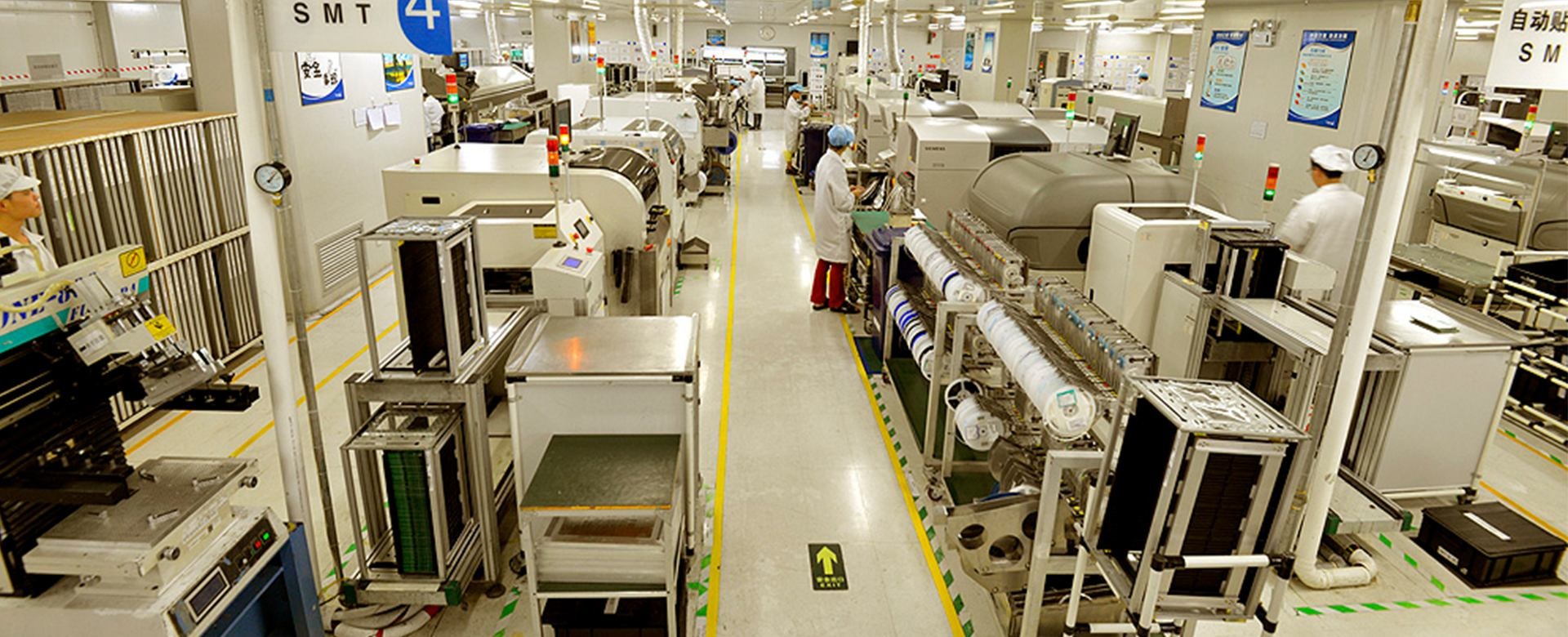
This approach supports multi-country expansion and long-term fleet management. Related cost and total-ownership considerations appear in our 2026 sourcing cost breakdown. When compliance is embedded in product development rather than added at the end, the overall risk profile of the supply relationship improves.
Next Step in the Purchasing Journey
In 2026 the lowest price is rarely the lowest risk, so choose an electric wheelchair manufacturer that treats compliance as a core capability for more reliable long-term outcomes; apply the checklist to the shortlist, request the full documentation package early, and verify every item before progressing, then contact the team to request the complete 2026 Export Compliance Documentation Package and review specific market requirements together.
FAQs
Q: What is the most common reason electric wheelchair shipments are delayed at customs?
A: Incomplete or outdated battery documentation, particularly missing or mismatched UN38.3 reports, remains the leading cause of holds.
Q: How often should certificates be re-verified?
A: Certificates should be checked at the quotation stage and again before each major production run, because regulatory updates can occur within a single year.
Q: Does CE marking alone guarantee entry into every European market?
A: CE marking is necessary but not always sufficient. Additional national language requirements, post-market obligations, and specific technical file details may still apply.
Q: Can a manufacturer without ISO 13485 still supply electric wheelchairs for institutional use?
A: It is possible, yet the absence of a recognized quality management system increases scrutiny during audits and can limit acceptance by larger procurement organizations.
Q: What should be done if a manufacturer refuses to share certificate numbers?
A: Treat the refusal as a significant red flag and pause further discussions until full verification becomes possible.
Q: How does private-label labeling affect compliance?
A: Correct localization of labels and Instructions for Use forms part of market-specific requirements. Manufacturers experienced in private-label work usually prepare these elements as part of the standard documentation package.