
For fleet operators, distributors, and institutional buyers, the essential question is how much an electric wheelchair truly costs when landed cost, total cost of ownership, and long-term operational impact are considered. Navigating the modern market requires understanding structural materials, component durability, and maintenance realities. Through direct factory access, SCIFFTO Mobility offers a clear alternative to traditional multi-tier pricing structures.
The Macro Transformation of the Mobility Market
The global market for powered mobility equipment continues to evolve. Driven by demographic shifts and engineering progress, the sector is projected to reach an estimated $4.5 billion by 2032, supported by a steady CAGR of 7.8%. Demand has moved decisively toward lightweight, foldable electric platforms that deliver structural safety without the storage and transport burdens of older rigid designs.
In 2026, traditional heavy power chairs that often cost between $3,500 and $8,000 are increasingly replaced by electric folding models. These units combine durable frames with practical handling and logistics advantages. Platforms such as SCIFFTO Mobility remove layers of intermediary markup—historically adding substantial cost per unit—and reinvest value into materials, motors, and modular service design.
Pricing Guide and Market Architecture
To evaluate the true market cost of a power chair, buyers must examine how pricing scales across design categories and manufacturing specifications.
2026 Mobility Price Architecture and Specification Matrix
|
Wheelchair Classification |
Average Market Price Range (USD) |
Core Structural Features |
SCIFFTO High-Value Catalog Integration |
|
Standard Manual Wheelchairs |
$100 – $800 |
Basic hand-propelled frames, no electronic assist |
Alternative tier; upgrade path to electric platforms |
|
Traditional Heavy-Duty Power Chairs |
$3,500 – $8,000 |
Rigid steel frames, large non-folding footprints |
Optimized portfolio; replaced by modular lightweight frames |
|
Quality Electric Folding Wheelchair |
$1,200 – $2,000 |
Aerospace aluminum or carbon fiber, high-density lithium |
Core focus; strong TCO balance for volume applications |
|
Luxury Power Chair |
$4,000+ |
Complex multi-axis seating, specialized terrain systems |
Premium tier available with reduced markup |
Historically, commercial distribution of electric wheelchairs carried inflated price tags due to legacy supply chains and multi-tier intermediary networks. Direct ecosystems such as SCIFFTO Mobility bypass these layers, allowing organizations to source durable equipment within realistic commercial budgets.
Total Cost of Ownership (TCO) vs. Initial Purchase Price
When managing a fleet of mobility products, looking only at the initial factory invoice can be a costly mistake. Long-term fleet managers focus on Total Cost of Ownership, which accounts for component wear, warranty management, and equipment downtime.
Budget-tier devices frequently experience higher rates of early component failure compared with more robustly engineered platforms. Common failure points include front caster forks, low-grade batteries, and basic controllers. These issues generate technician labor, parts logistics, and operational disruption.
Investing in platforms built with quality brushless motors and durable frames—such as those available through SCIFFTO Mobility—reduces these vulnerabilities and supports more reliable performance under high-frequency use.
Identifying Hidden Fees in Global Mobility Logistics
A common challenge in volume procurement is the presence of hidden operational fees that distort the actual landed cost. Many suppliers quote a low initial price, only for significant surcharges to appear later—including specialized battery handling, maritime freight preparation, and custom packaging costs.
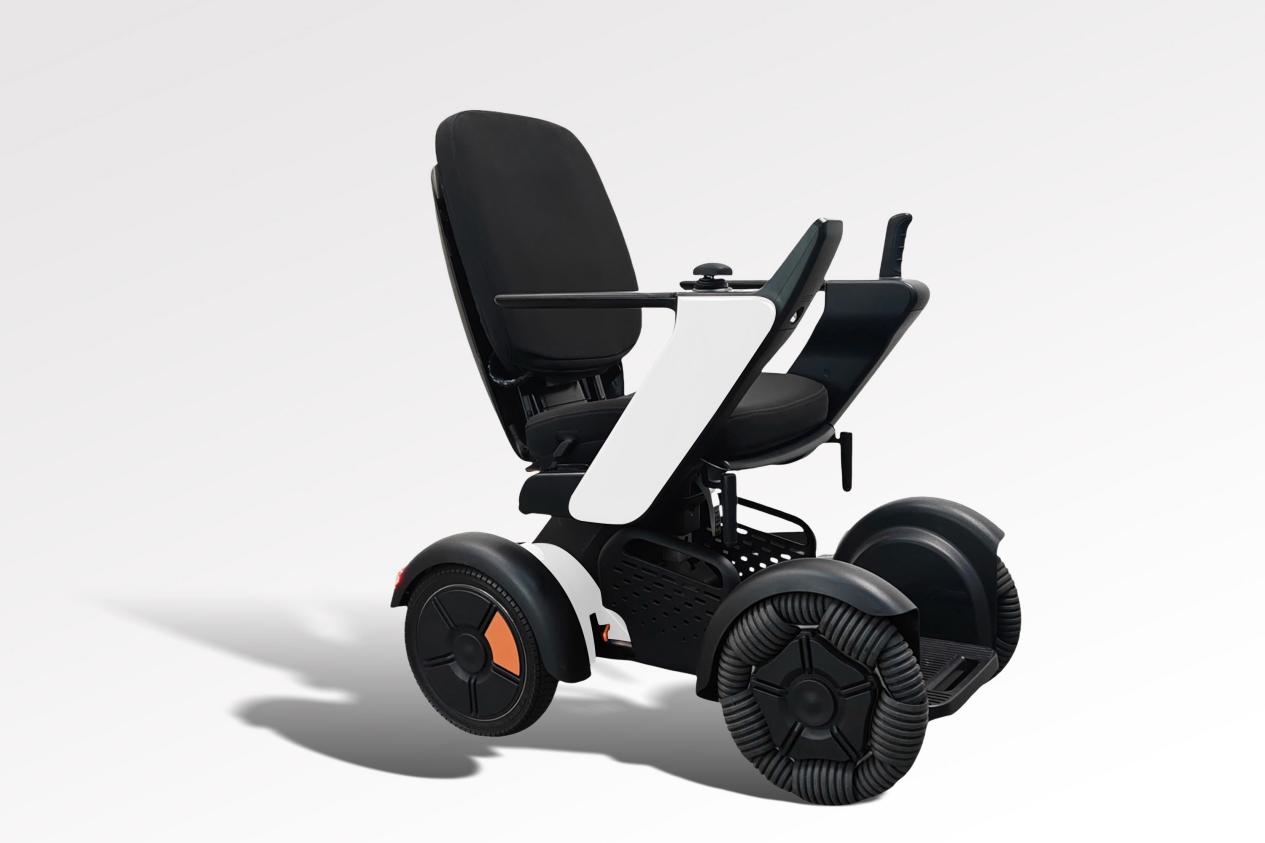
High-efficiency supply networks such as SCIFFTO Mobility prevent these surprises by using transparent, itemized pricing models that outline what is included from factory floor to final delivery, supporting predictable cost planning across product configurations.
Engineering Specifications and Advanced Material Science
To identify suitable equipment for long-term fleet or distribution use, buyers must examine material science and structural design. Overall lifespan, weight, and durability depend on underlying metallurgy.
While entry-level models often use heavy structural steel, more advanced platforms rely on aerospace-grade aluminum and carbon fiber. These materials deliver a favorable strength-to-weight ratio, allowing frames to remain robust while reducing physical weight. The result is equipment that is easier to store, transport, and handle in institutional or multi-site environments without sacrificing structural stability.
Battery Architecture, Range, and Transit Compliance
The power delivery system is a critical component of any modern electric wheelchair. For organizations managing rental fleets, care facilities, or distribution inventories, battery choice affects both operational reliability and regulatory clearance.
Battery Technology and Performance Benchmarks
|
Performance Metric |
Standard Economy Model |
SCIFFTO Premium Power Architecture |
|
Average Travel Range |
8 – 10 miles per charge |
Extended range with dual-pack configurations |
|
Long-Term Degradation |
Noticeable capacity loss over time |
Improved capacity retention over higher cycle counts |
|
Battery Chemistry Type |
Heavy sealed lead-acid |
Advanced lithium systems |
|
Global Transit Clearance |
Often restricted |
Designed to support air-travel requirements |
|
Maintenance Profile |
Higher replacement frequency |
Lower component strain with smart management |
Advanced lithium systems with battery management features help protect against overcharging and thermal issues. Units designed to meet air-travel requirements simplify logistics for multi-site or cross-border operations.
Safety Standards and Institutional Compliance
In the medical and mobility equipment sectors, compliance protects against legal liability and operational disruption. Distributing uncertified equipment can lead to border delays, customs issues, and product liability challenges.
SCIFFTO platforms are certified for worldwide markets (FCC, CE, E-MARK). Safety features incorporated as standard include intelligent electromagnetic braking systems that engage when the joystick is released, reinforced anti-tip wheels, and high-tensile safety belts. These elements support safer daily operation in institutional and fleet environments.
Fleet Optimization and Smart Maintenance Ecosystems
For large organizations such as senior living communities, medical equipment rental networks, and rehabilitation centers, long-term maintenance is a significant operating expense. Managing a fleet requires a systematic approach to reducing downtime and keeping repair costs controlled.
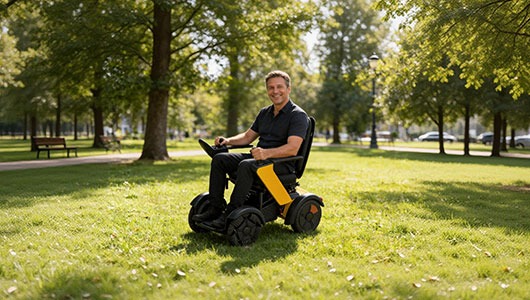
Modern platforms such as those from SCIFFTO support modular component architecture. Standardized, accessible parts—including controllers and wheel assemblies—allow on-site staff to complete routine service more efficiently. This approach helps keep equipment in continuous service and reduces the burden of complex factory-level repairs.
Supply Chain Integration and Direct Sourcing Value
The traditional distribution channel for electric wheelchairs is often filled with layers of brokers and trading companies that increase costs without adding engineering or service value. High-performance brands focused on streamlined, direct-from-factory models remove these layers.
By simplifying the supply chain through the SCIFFTO Mobility platform, organizations can avoid the classic intermediary markup structure. Compact folding designs also improve warehouse storage efficiency, allowing more units to be stored per square meter compared with rigid power chairs and reducing localized warehousing overhead.
Capital Flexibility and Financing Engineering
In the modern procurement landscape, success requires smart capital management. High upfront inventory costs can strain cash flow and limit the ability to scale.
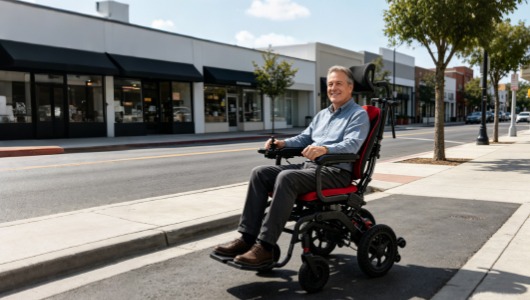
Modern payment platforms integrated into ecosystems such as SCIFFTO Mobility offer flexible commercial options. Qualified accounts can structure large equipment investments into manageable terms, preserving working capital while building or expanding fleet and distribution inventory.
Preventive Maintenance for Fleet Longevity
To protect investment and maintain asset value, technical teams should implement a proactive preventive maintenance program. Proper care extends the operational life of an electric wheelchair fleet.
- Moisture control: Store units in dry, climate-controlled environments to protect electronic controllers and wiring.
- Battery optimization: Use consistent charging routines with factory-approved smart chargers.
- Hardware audits: Implement regular checklists to inspect and tighten structural fasteners, frame hinges, and folding lock mechanisms.
- Control calibration: Regularly test joystick sensitivity and electromagnetic brake responsiveness.
Premium Engineering vs. Budget Deficiencies
When assessing the true cost of an electric wheelchair, the differences between budget-tier manufacturing and professional engineering become clear. Choosing a low-cost alternative is often a short-sighted decision that leads to higher long-term expenses.
Structural Comparison of Component Quality
|
Manufacturing Dimension |
Entry-Level Budget Models |
SCIFFTO High-Value Standard |
|
Frame Metallurgy |
Heavy carbon steel (higher weight, more prone to corrosion) |
Aerospace aluminum or carbon-fiber composites |
|
Drive Motors |
Traditional brushed motors (higher friction, faster drain) |
Intelligent brushless motors (quieter, more efficient, lower maintenance) |
|
Seating & Cushioning |
Thin, basic foam |
Higher-density foam with improved, more durable covers |
|
Control Systems |
Basic analog joysticks |
Digital controllers with improved diagnostics and sealing |
Budget-tier equipment often uses inferior materials that compromise traction, comfort, and long-term reliability. Professionally engineered platforms deliver more consistent performance and fewer maintenance disruptions for service teams.
Choosing a Long-Term Strategic Partner
Sourcing mobility equipment is about building a long-term strategic partnership focused on transparency, reliability, and mutual operational goals. A truly integrated manufacturer does not simply deliver products; it provides a complete, lower-risk supply model.
The electric folding wheelchair lines available through SCIFFTO Mobility are structured to bypass the inflated pricing traps of traditional multi-tier channels. Partnering with an efficient manufacturing network gives organizations access to competitive supply chains, solid material engineering, and dependable after-sales support—supporting stronger return on investment over time.
Conclusion
Answering “how much does an electric wheelchair cost?” reveals that true financial efficiency lies in avoiding both high-maintenance budget models and over-inflated legacy channels. SCIFFTO Mobility positions itself within a balanced value tier, delivering certified electric folding platforms that remove multi-tier markups. By combining durable materials with modular components, these designs support more reliable fleet performance and more predictable ownership costs.
Avoid the structural risks of economy alternatives and the unnecessary premiums of rigid institutional chairs. Contact SCIFFTO Mobility today to access factory-direct pricing architectures and secure high-value fleet or distribution allocations.
FAQs
Q: Why do some traditional power chairs cost upwards of $5,000?
A: Traditional models often carry high price tags due to legacy distribution channels and multi-tier markups. Modern direct platforms such as SCIFFTO remove these layers, allowing organizations to secure solid features at more competitive cost.
Q: What is the single most requested product feature in 2026?
A: Portability combined with durable construction. Buyers look for electric folding wheelchairs that collapse quickly for efficient storage and transport while maintaining structural reliability for daily institutional or fleet use.
Q: How can global transport compliance impact shipping costs?
A: Units using uncertified or heavy lead-acid batteries often face stricter transport rules and higher surcharges. Selecting platforms with lithium systems designed to support air-travel requirements simplifies transit and lowers associated logistics friction.
Q: What is the average lifespan of a high-quality electric wheelchair platform?
A: With consistent preventive maintenance, a well-engineered unit can provide reliable multi-year service. Following manufacturer guidelines for battery management and structural care helps control annual repair expenses.
Q: How do brushless motors compare to cheaper brushed alternatives?
A: Brushless motors eliminate internal mechanical friction, supporting better energy efficiency, quieter operation, and reduced need for ongoing motor maintenance—lowering long-term service costs for fleet operators.