
This guide answers the core questions buyers ask when selecting a mobility scooter manufacturer. It focuses on the real pain points distributors, private-label brands, and wholesale buyers face: quality risk, unclear certifications, inflexible MOQs, weak after-sales support, and difficulty verifying factories. The advice helps you identify a trustworthy OEM or ODM partner.
Why Does Choosing the Right Mobility Scooter Manufacturer Matter?
A mobility scooter supports daily independence. When quality fails, users face battery problems, frame issues, or safety risks. Buyers then deal with returns, complaints, and damaged reputation.

Many factories compete on price alone. The result is inconsistent quality and poor long-term support. A reliable mobility scooter manufacturer invests in testing, certified components, and stable parts supply. Choosing carefully protects both end users and your business.
What Are the Biggest Pain Points When Searching for a Manufacturer?
Buyers commonly struggle with:
- Certificates that look real but cannot be verified
- Factories that accept small trial orders only after long delays
- Limited customization for private-label needs
- Slow or incomplete spare-parts support after shipment
- Vague answers on quality control and testing methods
- Pressure to place large orders without proper samples
A professional mobility scooter manufacturer addresses these issues directly with clear processes and transparent communication.
What Criteria Should You Use to Evaluate a Mobility Scooter Manufacturer?
Focus on factors you can verify. These separate serious partners from average suppliers.
Certifications and Regulatory Compliance
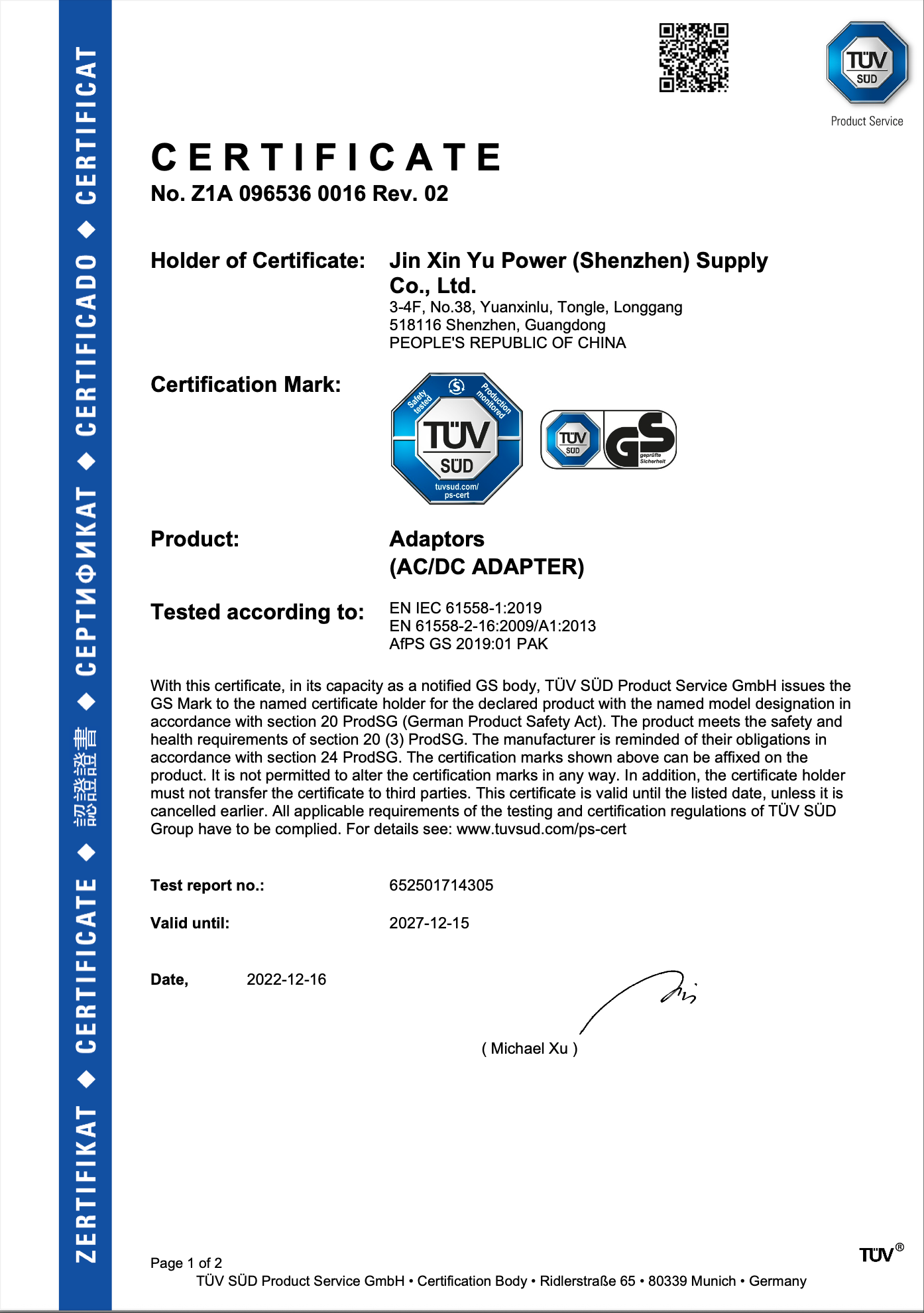
Require ISO 13485, CE marking, and UN38.3 battery certification. Additional marks such as FCC and E-MARK support wider market access. Always check certificates against official databases. Fake or expired documents remain a common risk.
Manufacturing Capability and Quality Control
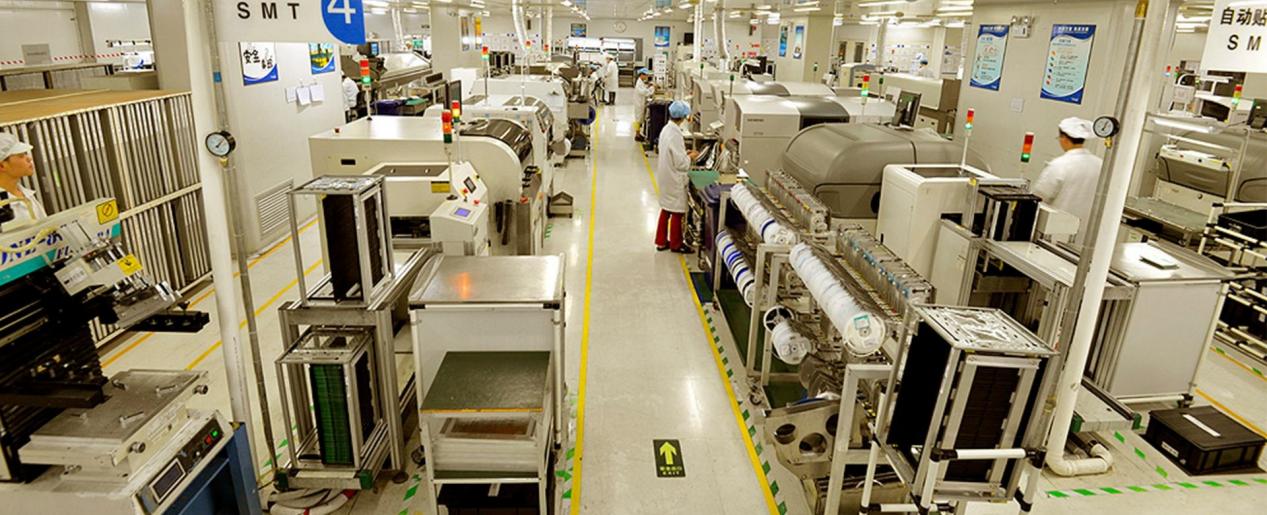
Ask for factory size, production capacity, and specific testing methods. Reliable makers perform vibration tests, load checks, battery cycle tests, and final inspections. Automotive-grade engineering and system-level validation further reduce risk. Request evidence of process control and third-party audit history.
OEM and Customization Flexibility
Private-label buyers need more than a logo. A capable mobility scooter manufacturer offers color options, seating adjustments, battery upgrades, custom packaging, and modular platforms for controls and smart features. Confirm real MOQs and sample lead times early. Inflexible factories create delays and limit your brand differentiation.
Warranty, Spare Parts, and After-Sales Support
A warranty has little value if parts take months to arrive. Check response times, stock of critical components, and technical support availability. Long-term parts supply is especially important for institutional and fleet buyers. Weak after-sales support is one of the most frequent complaints from buyers.
Export Experience and Documentation
Manufacturers with proven experience in North America, Europe, and other markets understand customs rules and required paperwork. This knowledge reduces shipping delays and compliance problems. Ask for concrete export examples.
What Practical Questions Should You Ask?
Prepare these before any discussion:
- What current certifications do you hold, and can you provide verification links?
- What is your standard MOQ for regular and full OEM orders?
- How long do samples and bulk production usually take?
- How do you handle quality control and third-party testing?
- What is your warranty policy and spare-parts process?
- Which export markets do you currently serve?
- Do you offer full private-label services, including packaging and manuals?
Can you support modular customization for institutional or travel models?
Clear, consistent answers indicate a professional mobility scooter manufacturer.
What Types of Mobility Scooter Manufacturers Exist?
Match the manufacturer type to your goals.
|
Manufacturer Focus |
Typical Products |
Best Suited For |
Key Advantages |
|
Global Brand Manufacturers |
Full ranges under own brands |
Retailers seeking known names |
Brand recognition and dealer networks |
|
Pure OEM / ODM Factories |
Custom and private-label scooters |
Distributors and private-label brands |
Flexibility and competitive pricing |
|
Regional Specialists |
Models for local rules |
Specific geographic markets |
Local knowledge and support |
|
Heavy-Duty / Institutional |
High-capacity durable models |
Hospitals, airports, care facilities |
Strong frames and higher weight ratings |
Many factories in China and Taiwan specialize in OEM work. A pure OEM mobility scooter manufacturer usually provides the highest customization flexibility for private-label projects.
How Do Common Specifications Compare?
Compare core specs when reviewing products. Always request full technical data sheets.
|
Specification |
Foldable / Travel Models |
Standard 4-Wheel Models |
Heavy-Duty Models |
|
Weight Capacity |
100–136 kg |
136–160 kg |
160–250+ kg |
|
Product Weight (approx.) |
20–35 kg |
40–70 kg |
70–120+ kg |
|
Battery Type |
Lithium-ion preferred |
Lithium or SLA |
Lithium preferred |
|
Range per Charge |
15–25 km |
20–40 km |
25–50 km |
|
Top Speed |
6–8 km/h |
8–12 km/h |
8–15 km/h |
|
Folding Capability |
Yes (often) |
Rarely |
Rarely |
|
Primary Use |
Travel and short trips |
Everyday outdoor mobility |
Rough terrain and higher users |
Catalog numbers alone are not enough. Ask for system-level test reports and real-world performance data.
How Can You Source and Verify a Manufacturer Safely?
Follow these steps:
- Confirm business registration and export licenses.
- Check certifications against official sources.
- Request a virtual factory tour or in-person audit.
- Order and test samples under real conditions.
- Use a third-party inspector for larger orders.
- Start with a small trial order before scaling.
Watch for red flags: unusually low prices, missing certificates, vague answers, or pressure for large orders without samples. A reliable mobility scooter manufacturer welcomes verification and provides transparent documentation.
What Trends Should You Consider in 2026?
Lightweight materials and carbon-fiber components improve portability. Certified lithium-ion batteries deliver better range and lower weight. Foldable designs remain popular for travel users. Institutional buyers prefer modular models that reduce maintenance costs. Smart features such as app connectivity appear more often. Reliability and safety standards still come first.
What Common Mistakes Should You Avoid?
- Choosing only by the lowest unit price
- Skipping sample tests or factory checks
- Ignoring spare-parts logistics and long-term support
- Trusting certificates without independent verification
- Leaving customization details unconfirmed in writing
- Overlooking system-level safety validation for batteries and frames
- Early attention to these points prevents larger problems later.
Conclusion
Selecting a reliable mobility scooter manufacturer requires clear checks on quality systems, certifications, support, and customization ability.
SCIFFTO Mobility provides OEM and ODM solutions for electric wheelchairs, power chairs, and mobility scooters. We support foldable models, heavy-duty options, modular platforms, and flexible production for distributors and private-label clients. Contact the SCIFFTO team to discuss your requirements.
Frequently Asked Questions
Q: What certifications should a reliable mobility scooter manufacturer have?
A: ISO 13485, CE, and UN38.3 battery standards are essential. Market-specific marks such as FCC or E-MARK may also be required.
Q: How long does it usually take to receive samples?
A: Most standard samples take 15 to 30 days. Custom samples may need more time.
Q: What is a typical minimum order quantity for OEM mobility scooters?
A: Some factories accept 50 units. Others set higher limits for full customization. Always confirm directly.
Q: Are Chinese mobility scooter manufacturers generally reliable?
A: Many high-quality makers in China supply global brands. Reliability depends on individual checks of certifications, processes, and support—not location alone.
QHow important is after-sales support?
AIt is critical. Products need parts and technical help over time. Clear support protects your customers and reputation.
Q: Can I request private labeling and custom packaging?
A: Most professional OEM manufacturers offer these services. Confirm logo options, packaging, costs, and MOQs in writing.