
Sourcing mobility scooters involves more than comparing prices. Distributors and importers need clear product specifications to evaluate suppliers, compare quotations, and plan suitable product ranges.
This guide focuses on what buyers should check before placing orders, from technical documentation and product dimensions to quality standards and supplier support.
Product Specifications Buyers Should Check First
When reviewing mobility scooter quotations, buyers need more than a list of basic features. Complete specifications make it easier to compare suppliers and identify differences between quoted and delivered products.
Rated Performance and Technical Limits
Technical figures should be clearly defined and supported by product documentation. Buyers should check whether specifications describe standard configurations or optional upgrades.
Motor power, maximum speed, load capacity, driving range, and climbing capability are important details to review. However, these figures should not be compared without understanding their testing conditions and technical limits.
For example, driving range may vary according to load, terrain, speed, temperature, and testing conditions. Importers should request consistent testing information from each supplier before making product comparisons. This helps prevent misleading comparisons based on figures calculated under different conditions.
Product Dimensions and Weight Definitions
Dimensions and weight affect more than product selection. They also influence warehouse planning, packaging, transportation, and product information used by distributors.
Buyers should confirm overall product dimensions, folded dimensions where applicable, net weight, gross weight, and measurements of removable components. Packaging dimensions should also be requested separately.
One common sourcing issue is inconsistent weight definitions. Suppliers may use different methods when reporting product weight, so procurement teams should confirm exactly which components are included.
For buyers sourcing Lightweight Folding Mobility Scooters, folded dimensions and packaging measurements should be checked separately. Compact product dimensions do not automatically mean smaller shipping cartons.
Product Configuration and Specification Consistency
Two mobility scooters may look similar but have different configurations. Buyers should identify which components are included in standard quotations and which require additional options.
Standard and Optional Configurations
Before requesting quotations, prepare clear product requirements. This helps suppliers provide more accurate pricing and reduces misunderstandings during order confirmation.
Buyers should clarify which equipment and accessories are included as standard, which components are optional, and whether different product versions have different specifications. They should also confirm whether optional features affect product dimensions, weight, or quoted prices.
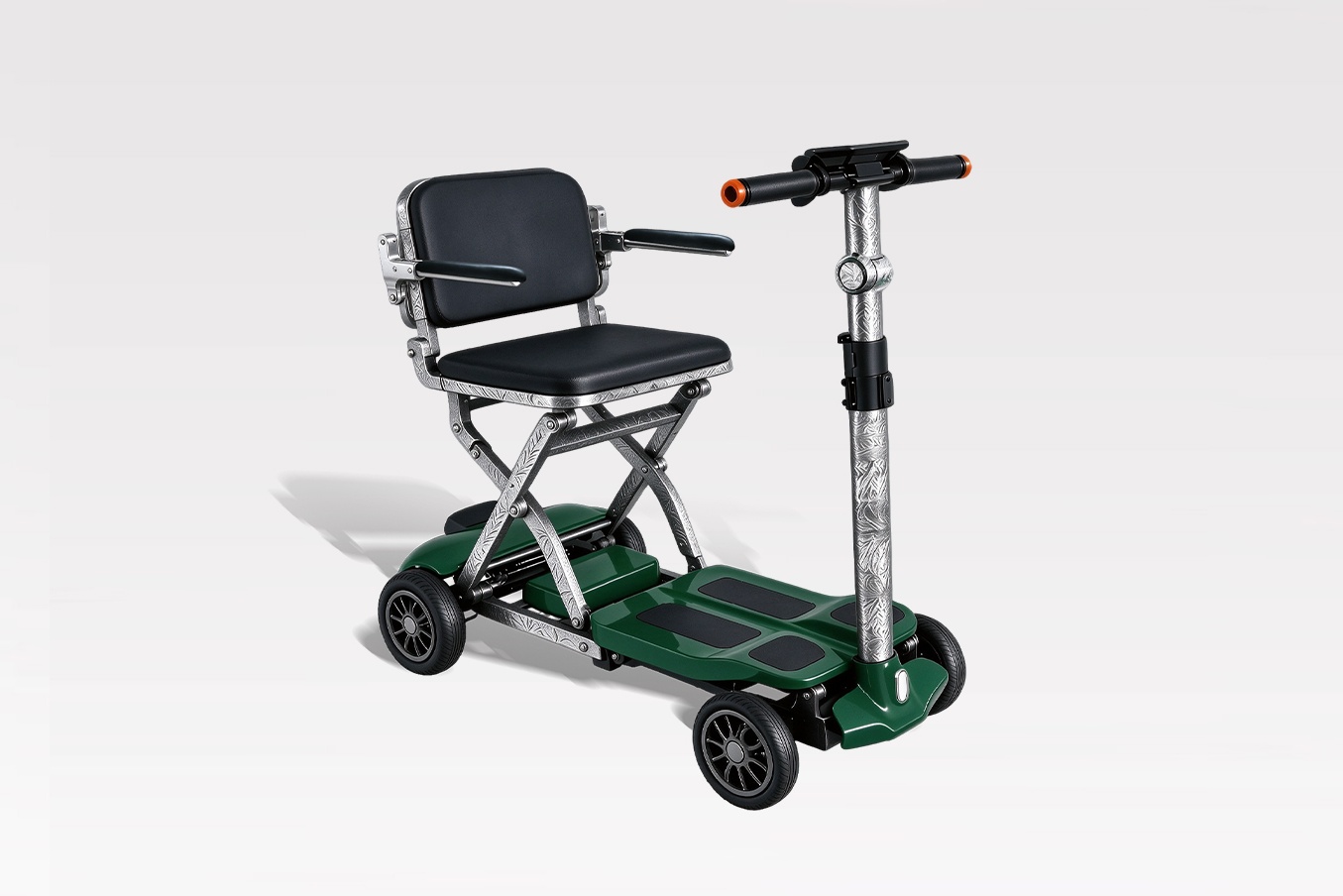
Distributors should check whether product images, specification sheets, quotations, and user manuals describe the same configuration.
If optional equipment is added later, updated documentation should be requested rather than relying on an earlier specification sheet.
Specification Changes Between Orders
Consistency matters when distributors purchase products repeatedly. Changes to components, materials, or product configurations may affect product listings, sales documents, and customer expectations.
Before confirming repeat orders, buyers should ask suppliers how product changes are communicated and whether updated specifications can be provided.
Keeping approved product specifications on record also makes it easier to compare future deliveries against original purchasing requirements.
Technical Documents and Market Compliance
Product documentation is an important part of international sourcing. Importers need to understand which documents are available and whether they apply to the exact model being purchased.
Technical Documentation
Before placing an order, request relevant documents for selected model. Depending on product configuration and destination market, these may include technical specification sheets, user manuals, operating instructions, product test reports, applicable certificates, and battery-related transportation documents.
Buyers should check document versions, model references, and technical details. Documents for one model should not automatically be treated as valid for another model in the same product range.
Certification and Destination Market Requirements
Market requirements can vary between countries and sales channels. Importers should identify applicable regulations before confirming product specifications.
It is worth discussing which certifications or test reports are available, whether documents cover selected model and configuration, and whether additional documents are required for battery transportation. Buyers should also confirm whether product labels and manuals meet destination-market requirements.
Certification should be verified against relevant market requirements. Buyers should not assume that one certificate covers every product version or destination.
Quality Control and Batch Consistency
For distributors and wholesalers, product consistency matters beyond initial sample approval. Differences between samples and bulk orders can create additional inspection work, customer complaints, and after-sales pressure.
Sample Approval Before Bulk Orders
Product samples give buyers an opportunity to check whether actual products match approved specifications.
During sample evaluation, procurement teams should compare product dimensions, weight, main components, supplied accessories, appearance, finish, operating functions, and packaging.
Any confirmed changes should be recorded before bulk production begins. This gives both parties a clear reference for subsequent production and inspection.
Production Specifications and Inspection Records
Approved specifications should serve as a reference for production and inspection. Buyers can ask suppliers how product requirements are communicated to production teams and how inspection results are recorded.
For repeat orders, keeping inspection records helps procurement teams identify differences between batches and follow up on quality concerns.
Clear communication about approved configurations and inspection requirements can reduce avoidable disputes during delivery.
Packaging, Shipping and Inventory Planning
Product specifications also influence logistics. Importers need to understand packaging requirements before calculating shipping costs or arranging warehouse space.
Packaging Dimensions and Shipping Weight
When requesting quotations, buyers should ask for carton dimensions, gross weight, packing quantity, and loading information.
These figures help logistics teams estimate container space and compare transportation arrangements.
It is also important to distinguish product weight from packaged weight. Using net weight for shipping calculations can lead to inaccurate estimates.
Spare Parts and Inventory Requirements
Spare-part availability should be considered when planning long-term distribution. Buyers need to understand which components can be ordered separately and how replacement parts are identified.
Before starting cooperation, discuss spare-part lists, component identification, replacement availability, ordering arrangements, and technical support for product maintenance.
Clear spare-part information helps distributors plan inventory and prepare for after-sales requirements.
How to Compare Mobility Scooter Suppliers Before Ordering
Once product specifications and documentation are available, buyers can compare suppliers using consistent evaluation criteria.
Use One Specification Checklist
A standardized comparison sheet helps procurement teams identify missing information and avoid relying only on quoted prices.
|
Evaluation Area |
Information to Confirm |
|
Product specifications |
Complete technical figures and model references |
|
Product configuration |
Standard equipment and optional components |
|
Dimensions and weight |
Product measurements and weight definitions |
|
Technical documents |
Manuals, test reports, and applicable certificates |
|
Quality control |
Sample approval and inspection procedures |
|
Packaging |
Carton dimensions and shipping weight |
|
Spare parts |
Replacement component availability |
|
After-sales support |
Technical assistance and issue-handling process |
Using one checklist for different suppliers makes comparisons more consistent and helps buyers identify questions that need clarification before ordering.
Evaluate Communication and Technical Support
Supplier communication can affect purchasing efficiency, especially when orders involve several models or customized requirements.
Buyers should consider whether suppliers can explain technical details clearly, provide updated documents, confirm product configurations, and respond to specification-related questions.
For OEM/ODM projects, discuss customization scope, approval procedures, and documentation requirements before moving into order confirmation.
Match Supplier Capabilities with Purchasing Plans
Supplier selection should reflect actual purchasing needs. Distributors may prioritize product range and repeat-order consistency, while importers may place greater emphasis on documentation, packaging, and destination-market requirements.
OEM/ODM buyers should also confirm which customization options are available and what information is needed to assess project requirements.
Comparing suppliers through these criteria provides a clearer basis for long-term cooperation than focusing on product price alone.
Conclusion
Successful mobility scooter sourcing starts with clear specifications and reliable supplier information. Checking documents, configurations, quality control, and shipping details helps buyers make more informed purchasing decisions.
Contact SCIFFTO to discuss mobility scooter products, sourcing requirements, and OEM/ODM cooperation.