
Institutional buyers managing electric wheelchair fleets face rising maintenance costs. Downtime, battery replacements, and repairs quickly increase expenses. Modular mobility equipment offers a clear solution through better component reliability, predictable battery life cycles, and measurable long-term ROI.
The True Cost of Fleet Maintenance
Maintenance costs extend far beyond scheduled servicing. Unexpected frame damage, motor failures, and battery degradation create reactive expenses. Staff time spent on repairs or temporary replacements adds further burden. In high-use environments the cumulative impact becomes significant.
Traditional non-modular designs often require specialized parts or full unit replacement when a single component fails. Modular systems change this pattern. Individual elements such as batteries, controllers, or seating modules can be swapped quickly. Downtime shortens. Inventory needs simplify. Overall lifecycle costs fall.
Procurement decisions made today shape these outcomes for years. Understanding component reliability and battery performance provides the foundation for smarter sourcing.
Component Reliability in Commercial-Grade Mobility Equipment
Reliability starts with materials and engineering. Fleet devices face daily stress from multiple users, varied environments, and frequent transport.
Frame and Structural Integrity
Carbon fiber frames deliver high strength at low weight. Aerospace-grade T700 carbon fiber, used in multi-layer construction, resists fatigue better than many conventional materials. The result is fewer structural repairs over the device’s service life. Lighter weight also reduces strain during loading, unloading, and storage, further limiting accidental damage.
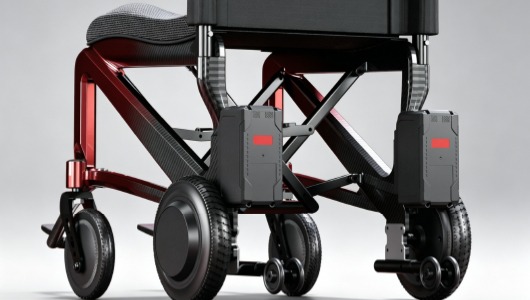
Aluminum frames remain common, yet they often require greater thickness to achieve comparable rigidity. That added mass increases handling effort and can accelerate wear on related components such as wheels and motors.
Motors and Drive Systems
Dual hub motors designed for quiet, consistent output support long service intervals. Brushless designs reduce mechanical wear. Precise control systems limit sudden overloads that shorten motor life. In fleet settings these features translate into fewer service calls and more predictable operating costs.
Wear Items and Modularity
Wheels, armrests, and seating elements experience the highest contact rates. Modular designs allow these parts to be replaced independently. Standardized interfaces speed repairs and reduce the need for large spare-part inventories. Procurement teams benefit from clearer forecasting and lower emergency ordering costs.
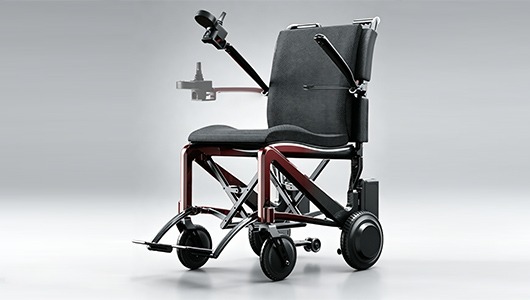
When components are engineered for interchangeability and durability, maintenance shifts from reactive to planned. This change alone can produce measurable savings across a multi-unit fleet.
Battery Life Cycles and Their Impact on Fleet Economics
Batteries represent one of the largest recurring costs in electric mobility fleets. Understanding life cycles and replacement strategies is essential for accurate budgeting.
Lithium Battery Characteristics
Modern lithium batteries offer higher energy density and longer cycle life than older chemistries. Cycle life depends on depth of discharge, charging habits, temperature, and quality of the battery management system. High-quality packs with robust BMS protection typically deliver several hundred to over a thousand full cycles under proper use.
Removable battery designs further improve fleet economics. Staff can charge spare packs offline while devices remain in service. Hot-swapping reduces downtime. Different capacity options (for example 6 Ah, 12 Ah, 16 Ah, or 20 Ah) allow matching battery size to actual duty cycles, avoiding unnecessary weight and cost.
Calculating Practical Battery Longevity
Institutional buyers should request cycle-life data under realistic conditions. A battery rated for 800 cycles at 80 percent depth of discharge will last longer in moderate daily use than in continuous deep cycling. Temperature control during storage and charging also extends life. Facilities that implement simple charging protocols and rotation schedules routinely achieve better results.
Airline-compliant smaller packs add flexibility for travel-oriented fleets or mixed-use settings. The ability to select capacity based on need supports both performance and cost control.
Calculating Long-Term Return on Investment for Mobility Fleets
Initial purchase price is only one part of the equation. Total cost of ownership includes acquisition, maintenance, energy, downtime, labor, and residual value. A structured ROI approach helps compare options objectively.
Key Variables to Quantify
- Acquisition cost per unit
- Expected service life in years or operating hours
- Average annual maintenance cost (parts + labor)
- Battery replacement frequency and cost
- Downtime cost (lost utilization or temporary rental)
- Energy consumption
- Residual or resale value at end of life
Simple ROI Framework
1. Estimate total cost of ownership over a defined period (typically five to seven years).
2. Subtract residual value.
3. Divide net cost by the number of productive operating days or user-hours delivered.
4. Compare the resulting cost-per-use figure across candidate models.
The table below illustrates a simplified five-year total cost of ownership comparison for a typical institutional fleet unit. Figures are illustrative and based on common commercial-grade assumptions; actual results vary by duty cycle and local costs.
|
Cost Category |
Traditional Non-Modular Chair |
Modular Carbon Fiber Design (e.g., SCIFFTO R100 class) |
|
Initial Acquisition |
Lower |
Moderate |
|
Annual Maintenance (parts + labor) |
Higher |
Lower |
|
Battery Replacements (5 years) |
2–3 full packs |
1–2 packs (modular swap) |
|
Estimated Downtime Cost |
Higher |
Significantly lower |
|
Handling / Transport Labor |
Higher (heavier frame) |
Lower (ultra-light body) |
|
Residual Value at Year 5 |
Lower |
Higher |
|
Projected 5-Year TCO Advantage |
Baseline |
Often 15–30% lower overall |
Modular designs with durable frames and swappable batteries usually produce lower cost-per-use even when the initial price is higher. Reduced labor for repairs and shorter downtime often outweigh the difference within the first two to three years.
Sensitivity analysis strengthens the evaluation. Test how results change if battery life is 20 percent shorter or longer than projected, or if maintenance labor rates rise. Models that remain favorable under conservative assumptions provide greater procurement confidence.
The Role of the SCIFFTO R100 in Fleet Strategies
The SCIFFTO R100 carbon fiber electric wheelchair illustrates many of the principles discussed above. Its aerospace-grade T700 eight-layer carbon fiber body weighs only 9.8 kg without battery. The structure maintains high durability and stability while simplifying daily handling and transport.
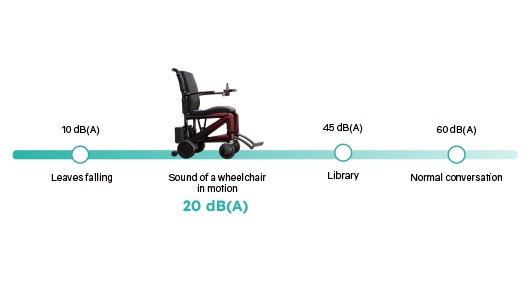
Removable lithium batteries in multiple capacities support flexible fleet charging strategies. Dual hub motors deliver quiet, reliable performance. One-step compact folding aids storage and logistics. Professional OEM-level engineering makes the platform suitable for customization to institutional requirements.
These attributes align with the needs of rehabilitation centers, assisted living facilities, and mixed-use fleets. Lower weight reduces handling injuries and equipment stress. Modular batteries limit downtime. Carbon fiber construction extends structural life. Together they support the lower total cost of ownership that procurement teams seek.
Practical Procurement Criteria for Modular Fleets
Successful sourcing follows a clear checklist.
Prioritize Proven Durability Data
Request material specifications, cycle-life testing, and field performance references. Independent verification or documented OEM quality standards add confidence.
Evaluate Modularity Explicitly
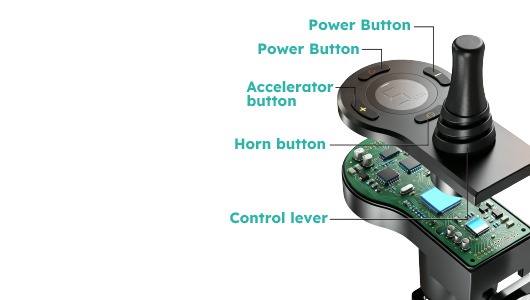
Confirm that batteries, seating, armrests, and key electronic modules can be replaced without specialized tools or full-unit return. Standardized interfaces simplify training and parts management.
Model Realistic Duty Cycles
Match battery capacity and motor power to actual usage patterns rather than maximum theoretical figures. Over-specification increases cost; under-specification raises maintenance frequency.
Include Total Cost of Ownership in Scoring
Weight acquisition price appropriately but give substantial scoring weight to projected maintenance, battery, and downtime costs. A five-year TCO model often reveals clearer differences than first-cost comparisons alone.
Assess Supplier Support and Customization
Institutional fleets benefit from partners that offer configuration flexibility, spare-parts availability, and responsive technical support. OEM capabilities allow alignment with specific branding, seating, or control preferences.
Applying these criteria consistently improves the quality of fleet decisions and reduces the risk of costly surprises after deployment.
Frequently Asked Questions
How long should a commercial mobility fleet battery last?
High-quality lithium packs with proper management typically deliver several hundred to more than one thousand cycles. Actual calendar life depends on usage intensity, charging practices, and environmental conditions. Removable designs make replacement straightforward and allow capacity upgrades as needs evolve.
Does carbon fiber really reduce long-term maintenance?
Yes. The high strength-to-weight ratio and fatigue resistance of quality carbon fiber frames lower the incidence of structural repairs. Reduced overall weight also decreases wear on wheels, motors, and handling equipment.
What is a realistic payback period for higher-quality modular equipment?
Many institutional buyers observe payback within two to four years through lower maintenance labor, fewer battery-related interruptions, and higher fleet utilization. Exact timing depends on duty cycle and local labor rates.
How important is modularity for spare-parts inventory?
Highly important. Modular systems allow facilities to stock fewer complete units and more individual high-wear components. Inventory capital decreases and response time to failures improves.
Can modular designs support mixed user populations?
Yes. Adjustable seating, interchangeable batteries of different capacities, and customizable controls help one platform serve varied user needs without requiring entirely separate fleets.
What documentation should procurement teams request?
Material certifications, battery cycle-life data, recommended maintenance schedules, spare-parts lists with pricing, and total-cost-of-ownership examples based on comparable fleet deployments.
Conclusion
Component reliability, battery life cycles, and structured ROI analysis form the foundation for lower fleet maintenance costs. Modular designs that use durable materials and swappable components deliver better long-term value.
SCIFFTO develops commercial-grade mobility solutions built around these priorities. The R100 carbon fiber platform shows how advanced materials and modular engineering support institutional fleets. Contact the SCIFFTO team to discuss requirements, request specifications, or explore customized configurations.