
When comparing electric wheelchairs, you should not look solely at individual specifications. Factors such as dimensions, weight, battery capacity, and available features all contribute to the differences between various models. Understanding these parameters will help you evaluate your options and find the model that best meets your needs.
Which Electric Wheelchair Specifications Should You Compare?
Before comparing different electric wheelchair models, organize their specifications into the same categories. This makes differences easier to identify and helps prevent misleading comparisons between models with different configurations.
Dimensions and Seat Measurements
Overall dimensions and seat measurements serve different purposes. Length, width, and height describe the wheelchair’s external size, while seat width and depth provide details about the seating area. Folded dimensions should be checked separately because they describe the wheelchair in its folded configuration.
When comparing models, use the same measurement units and confirm that each figure refers to the same configuration. For example, SCIFFTO’s E100 product specifications can be used to review its overall and folded dimensions separately rather than treating them as interchangeable measurements.
Weight and Load Capacity
Weight and load capacity measure different things. Net weight refers to the wheelchair itself, while maximum load capacity indicates how much weight it is designed to support. Neither figure alone tells the full story.
Check whether the listed weight includes the battery and whether load capacity applies to the exact model and configuration. SCIFFTO’s S300 series offers a useful reference for reviewing weight, load capacity, and overall dimensions together. Rather than focusing on one number, compare these specifications against your project requirements.
Battery Capacity and Driving Range
Battery capacity and driving range are related, but they are not interchangeable. Capacity describes how much energy a battery can store, while driving range indicates how far the wheelchair is stated to travel under specified conditions.
Review battery type, rated capacity, and published range for each model. Differences in battery configuration or testing conditions can make direct comparisons misleading. If testing details are unavailable, confirm them with SCIFFTO before drawing conclusions about range performance.
Motor Performance and Drive Configuration
Motor specifications, maximum speed, and drive configuration help explain differences in performance. Their relevance depends on each model’s design and intended application.
Compare equivalent specifications and confirm that figures apply to the selected version. Published climbing ability or other performance ratings should also be reviewed alongside their stated conditions. Avoid estimating missing values from another model, even when both belong to the same series.
Folding Dimensions and Optional Features
Foldability involves more than whether a wheelchair can be folded. Folded dimensions, folding configuration, and removable components all affect how well a model meets space and transport requirements.
Features also vary between models and configurations. Check which functions come as standard and which require optional equipment. For SCIFFTO’s C400 range, confirm the exact model and functional configuration before comparing specifications.
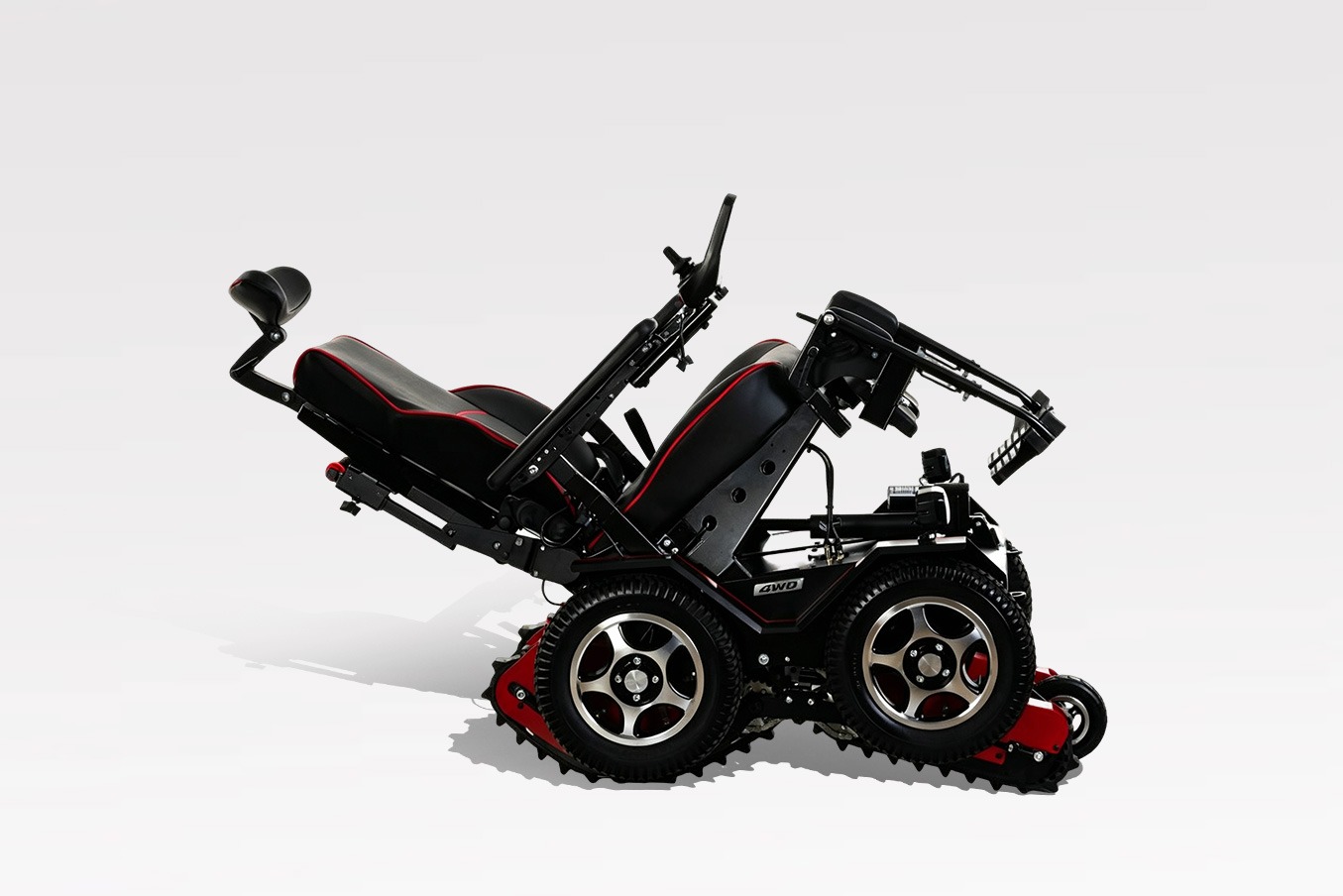
How to Interpret Electric Wheelchair Specifications Together
Individual specifications provide only part of the picture. More meaningful comparisons come from understanding how two or more measurements relate to each other.
Weight vs. Load Capacity: Understanding Structural Suitability
A lightweight wheelchair is not automatically suitable for every user group, just as a higher load capacity does not necessarily indicate better overall product quality.
These two specifications describe different aspects of a product:
- Net weight indicates how much the wheelchair weighs under a defined measurement condition.
- Maximum load capacity indicates the maximum weight the wheelchair is designed to support.
For procurement purposes, the difference between these figures helps buyers assess the product's weight-to-capacity relationship. However, this comparison should not replace an evaluation of frame construction, structural design, and product stability.
Battery inclusion is another important consideration. Some manufacturers list net weight without batteries, while others provide a figure that includes them. Comparing these numbers directly can lead to an inaccurate assessment of portability.
When reviewing supplier specifications, use the same weight basis for every model. This is particularly important when building a product range that includes both lightweight and higher-capacity electric wheelchairs.
Folded Size vs. Overall Dimensions: Evaluating Portability
Dimensions in both folded and unfolded states correspond to different sets of considerations.
Unfolded dimensions reflect the space required when a wheelchair is in use, while the folded dimensions indicate the space needed for storage and transport.
Although a wheelchair with smaller folded dimensions may be easier to store, its unfolded dimensions ultimately determine the space it occupies during use. When evaluating whether a compact design meets the needs of a target market, one must also consider factors such as seat width and overall structural configuration.
For distributors, comparing these two sets of data helps distinguish between wheelchair models designed primarily for daily mobility and those prioritized for ease of transport.
A useful comparison should include:
|
Measurement |
What It Helps Evaluate |
|
Unfolded length and width |
Space required during operation |
|
Unfolded height |
Overall product dimensions |
|
Folded length, width, and height |
Storage and transportation space |
|
Seat width |
Seating space and product suitability |
Measurements should be taken in the same configuration. Removable components, footrests, and other accessories may affect the final dimensions.
Battery Capacity vs. Driving Range: Avoiding Misleading Comparisons
Battery capacity and driving range are closely related, but they are not interchangeable specifications.
Larger battery capacity may provide greater energy storage. However, two wheelchairs with the same battery capacity may still have different stated driving ranges because their motors, total weight, and operating conditions are not necessarily the same.
This is why battery capacity alone should not determine which model offers better range.
When reviewing supplier data, consider three factors:
- Battery configuration: Compare battery voltage, capacity, chemistry, and the number of batteries used.
- Published driving range: Check whether the stated range refers to a specific standard configuration or an optional battery setup.
- Testing conditions: Ask how the range was measured, including load, terrain, speed, and other relevant conditions.
The published numerical ranges should be viewed as references applicable under specific conditions, rather than as results guaranteed to be achieved across all operating environments.
For bulk procurement, consistent testing conditions are more useful than comparing the highest advertised range figures from different suppliers.
Motor Power vs. Actual Driving Performance
Motor power is an important technical specification, but higher wattage does not automatically mean better overall driving performance.
Wheelchair's performance depends on how its motor configuration works with the drive system, total weight, wheel design, and intended operating conditions.
For example, a model designed for compact indoor mobility may have different priorities from a four-wheel-drive model developed for more demanding applications. Comparing their motor ratings without considering drive configuration would overlook the purpose of each design.
Buyers should therefore evaluate motor power alongside:
- Number and arrangement of motors
- Drive configuration
- Total product weight
- Intended operating environment
- Relevant performance specifications, such as climbing ability when provided by the manufacturer
This approach provides a more useful basis for comparing products with different designs. It also helps prevent buyers from selecting a model based on a single technical figure that does not reflect its intended application.
Comparing Specifications Across SCIFFTO Models
SCIFFTO offers models with different designs and functions. Reviewing selected models can show how to apply the comparison method in practice. These examples focus on which specifications to check, rather than ranking products against one another.
R100: Weight and Folded Dimensions
For the R100 series, start with published weight, folded dimensions, and other specifications relevant to its carbon-fiber design. Confirm whether figures refer to R100 or R100 Pro before making comparisons, as specifications may differ between versions.
Series names alone are not enough to establish that two models share identical measurements. Always use data for the exact product under review.
E100: Folding and Overall Dimensions
E100 is a useful example for comparing folded dimensions with overall size. Keep these measurements separate from seat width and depth, which describe different aspects of the product.
A smaller folded profile does not mean every dimension is smaller. Review each measurement individually and compare equivalent figures from other models using specifications published on their respective product pages.
S300: Load Capacity and Structural Specifications
For S300, review maximum load capacity alongside net weight and overall dimensions. Use published specifications for the exact model rather than inferring durability or structural ratings from load capacity alone.
Compare these figures against defined project requirements. This approach provides a more practical basis for model evaluation than declaring one wheelchair superior simply because it supports a higher load.
C400: Drive Configuration and Functional Options
Different C400 versions offer different functions, making exact model identification essential. Check published dimensions, weight, load capacity, battery details, drive configuration, and functions relevant to the selected version.
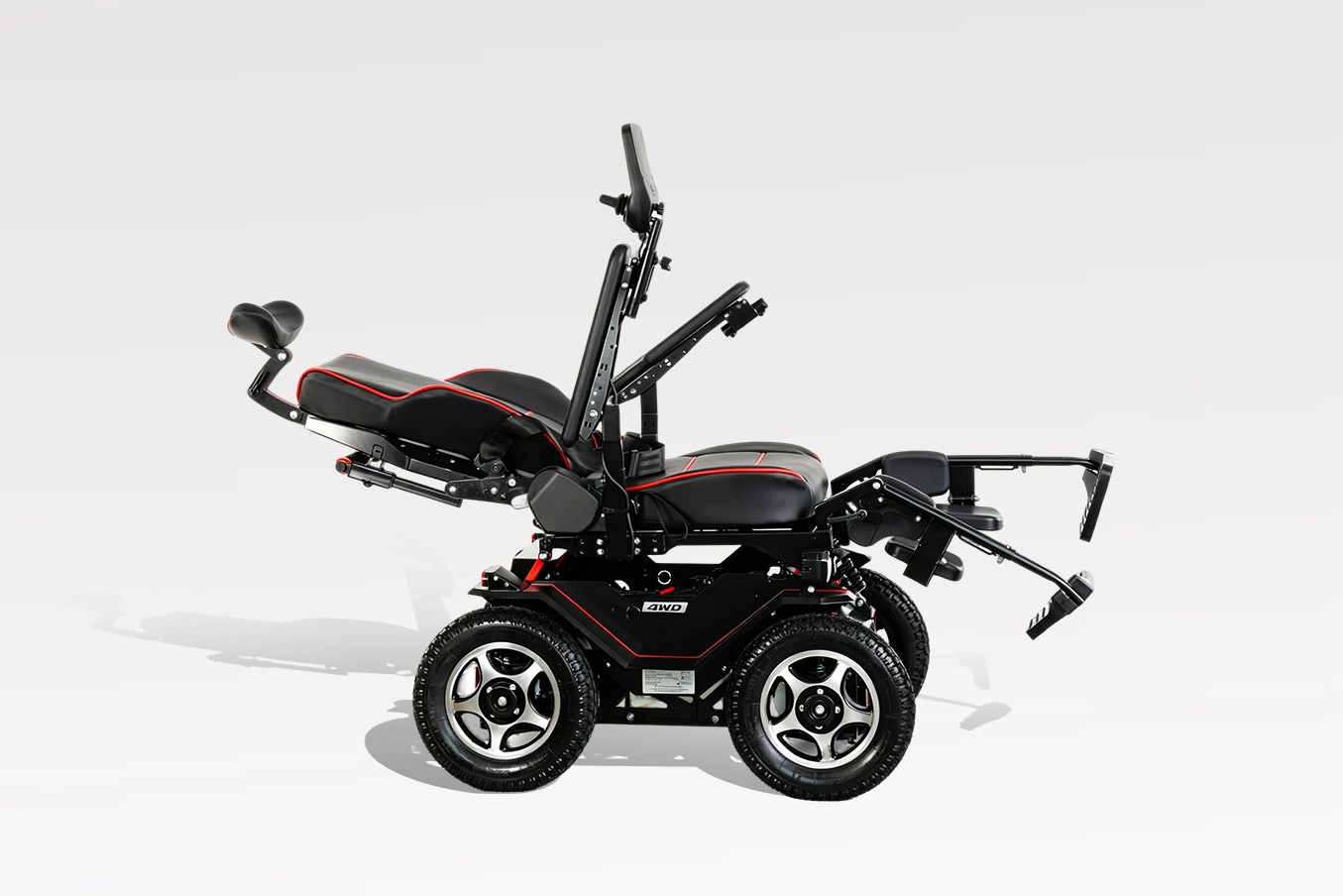
Do not assume every C400 model shares identical capabilities or specifications. Any feature or technical detail missing from the product page should be confirmed before the model is included in a final comparison.
Electric Wheelchair Specification Comparison Checklist
Use a consistent checklist to organize specifications across shortlisted models. This makes differences easier to review and highlights missing information before a final decision.
|
Checkpoint |
What to verify |
|
Model identification |
Exact model name, version, and configuration |
|
Dimensions |
Overall size, seat measurements, and folded dimensions |
|
Weight and capacity |
Net weight, battery inclusion, and maximum load capacity |
|
Battery and range |
Battery type, rated capacity, published range, and test conditions |
|
Drive performance |
Published motor, speed, and drive configuration specifications |
|
Features |
Standard equipment, optional features, and model-specific functions |
|
Data consistency |
Matching units and measurement basis |
|
Missing information |
Unlisted or unclear specifications requiring confirmation |
How to Use the Checklist
Collect specifications from product pages for the exact models under review. Place equivalent measurements side by side, then identify differences that matter to project requirements. Mark missing or inconsistent data for confirmation rather than filling gaps with estimates.
For comparisons involving several models, record each specification’s source page and model version. This makes later reviews easier when product details or configurations change.
Conclusion
Accurate electric wheelchair comparisons depend on consistent specifications and clear model identification. Review each configuration carefully, then visit SCIFFTO’s electric wheelchair product to compare published details. Contact SCIFFTO to confirm any specifications that are not listed.
FAQs
Which specifications matter most when comparing electric wheelchairs?
Dimensions, net weight, maximum load capacity, battery configuration, driving range, and motor specifications are key comparison points. Their importance depends on the intended product application and target market.
Does a lighter electric wheelchair always have better portability?
Not necessarily. Product weight is only one factor. Folded dimensions, battery weight, removable components, and overall structure also affect transportation and storage convenience.
Does a higher battery capacity always mean a longer driving range?
No. Driving range also depends on motor configuration, total load, terrain, speed, and testing conditions. Battery capacity should be evaluated alongside the manufacturer's stated range and test methodology.
Why should buyers compare folded and unfolded dimensions?
Unfolded dimensions indicate the space required during operation, while folded dimensions help assess storage and transportation requirements. Both are needed to evaluate the practical size of a foldable wheelchair.
What should distributors confirm before placing a bulk order?
Distributors should confirm the exact model and version, battery configuration, dimensions, weight measurement basis, load capacity, standard and optional functions, and any OEM/ODM requirements. All agreed specifications should be documented in the final quotation and order details.