
Many users face the same problems. Lightweight electric wheelchairs slide on uneven sidewalks and brick paths. They also stay too heavy for one person to lift into a car. Speed and range often fall short, and tight spaces are hard to navigate.
People need a true light weight electric wheelchair that is easy to carry, stable, travel-ready, and agile indoors. Most “lightweight” models still fail here. This guide explains the causes, shows clear selection criteria, and compares real options that work in 2026.
Why Most Lightweight Electric Wheelchairs Still Fail Users
The problems are not random. They come from repeated design trade-offs. When makers cut weight, they often cut the features that deliver stability, power, and ease of use. The result is a chair that looks good on paper but frustrates people in real life.
Sliding on Uneven Surfaces
Small front casters are common on portable models. Hard solid tires offer little grip. Motors often lack the torque needed for slight side slopes or brick seams. A higher center of gravity makes the chair feel tippy when the surface changes.
On a typical sidewalk gap or brick path, the front wheels can lose contact or spin. The chair slides sideways or jerks. Users lose confidence quickly. This issue appears often with many portable electric wheelchair designs and directly limits outdoor independence.
Still Too Heavy for One-Person Lifting
Many chairs are advertised near 33 lbs. Once the battery is installed, the real weight is often higher. Aluminum frames need extra material thickness to stay rigid, which adds more weight. Folded dimensions may still be awkward.
Loading the chair into a regular car trunk becomes a two-person job. Caregivers and independent users both feel the strain. True one-person handling remains rare among standard lightweight folding electric wheelchair options.
Slow Speed, Range Limits, and Poor Maneuverability
To keep weight low, power and battery capacity are frequently reduced. Top speeds stay modest. Range drops below what a full day of errands requires. Turning radius stays large.
Elevators, narrow hallways, restaurant aisles, and small apartments become challenges. Users face range anxiety on longer outings and struggle to move freely in tight indoor spaces. These limits affect both daily life and travel plans.
Together, sliding, excess weight, and limited performance reduce the independence that a light weight electric wheelchair is supposed to provide. The next step is knowing exactly what to look for so these problems can be avoided.
How to Choose a Chair That Is Both Light and Stable
Clear criteria turn common failures into practical filters. Use these points when comparing any portable electric wheelchair or carbon fiber electric wheelchair.
Check Real Weight, Not Just the Advertised Number
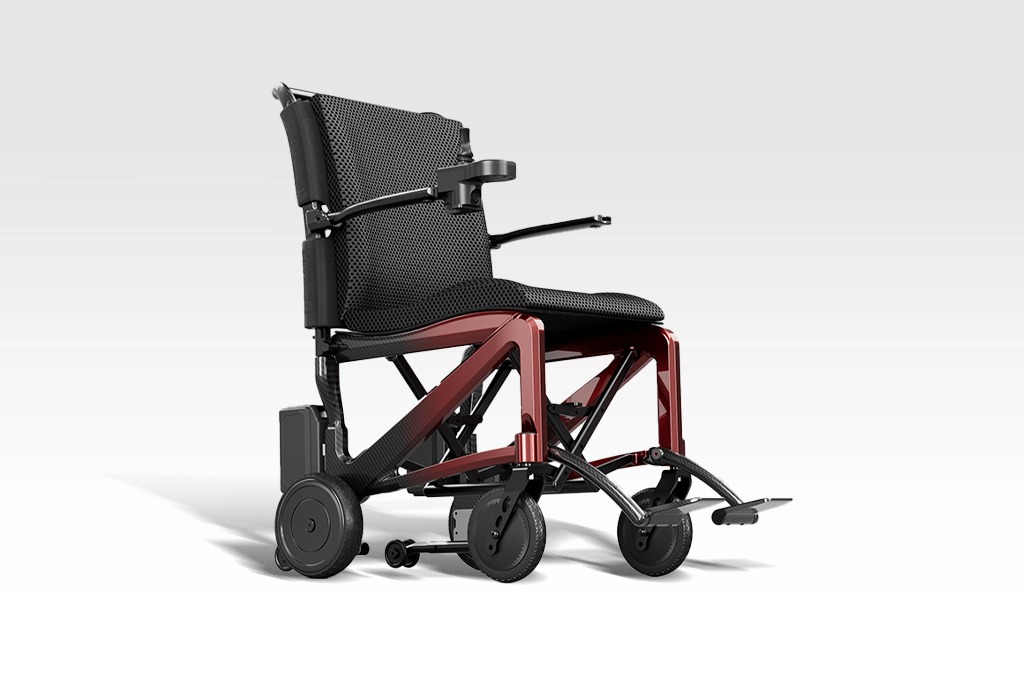
Look at both the weight without battery and the weight with battery installed. Aim for true sub-30 lb performance when possible. Carbon fiber gives a clear advantage here because it delivers strength without the extra bulk of aluminum.
Examine Tires, Wheels, and Suspension
Larger rear wheels improve traction. Puncture-proof anti-slip solid tires reduce slipping. Basic suspension or damping helps the chair stay planted on uneven ground. These details matter more than a low headline weight.
Demand Adequate Motor Torque
Dual motors with enough power maintain grip on slight inclines and rough surfaces. Low-torque systems are a frequent cause of sliding and slow response.
Prefer Carbon Fiber for Strength-to-Weight Balance
Aerospace-grade carbon fiber offers high rigidity at much lower weight than standard aluminum. The frame stays strong without needing extra thickness. This combination helps solve both the heavy-lifting problem and the stability problem at the same time.
Confirm Easy Folding and Compact Packed Size
One-step or very quick folding that fits a normal car trunk is essential. The folded package should be manageable for a single person.
Prioritize a Tight Turning Radius
Indoor spaces and travel environments demand agility. A smaller turning radius makes elevators, hallways, and restaurants far easier.
Verify Travel-Friendly Batteries and Overall Build Quality
Removable batteries that meet airline rules support real travel use. Solid structural rigidity and realistic weight capacity protect long-term durability.
These criteria create a practical checklist. Applying them to actual models reveals clear differences in performance.
SCIFFTO R100 and E100 Compared to Typical Market Models
A side-by-side look shows how the right design choices address the main pain points.
|
Feature |
Typical 33 lb Model |
SCIFFTO R100 Carbon Fiber |
SCIFFTO E100 Foldable |
|
Weight |
~33 lbs with battery |
~9.8 kg full carbon fiber body |
~18.8 kg net (excl. battery) |
|
Frame |
Mostly aluminum |
Aerospace-grade T700 carbon fiber |
High-strength lightweight structure |
|
Uneven surfaces |
Prone to sliding |
Higher rigidity and stability focus |
Balanced daily usability |
|
Folding |
Folds but still heavy for one person |
Extremely light + compact one-step fold (56×27×43 cm) |
Simple one-step fold, travel-oriented |
|
Turning |
Average |
Tight radius with 360° steering |
Strong indoor narrow-space performance |
|
Travel readiness |
Average |
Removable airline-friendly batteries |
Portable focus with reliable everyday range |
|
Best for |
Basic indoor use |
Ultra-light travel + daily stability |
Everyday portable use + short trips |
What the R100 Delivers
The SCIFFTO R100 uses full carbon fiber construction to solve the weight and rigidity conflict. The body stays near 9.8 kg while remaining strong. Dual HUB motors and precise 360° steering improve control when surfaces change. One-step compact folding and removable airline-friendly batteries make travel practical. The design targets users who need both extreme lightness and everyday stability.
What the E100 Offers
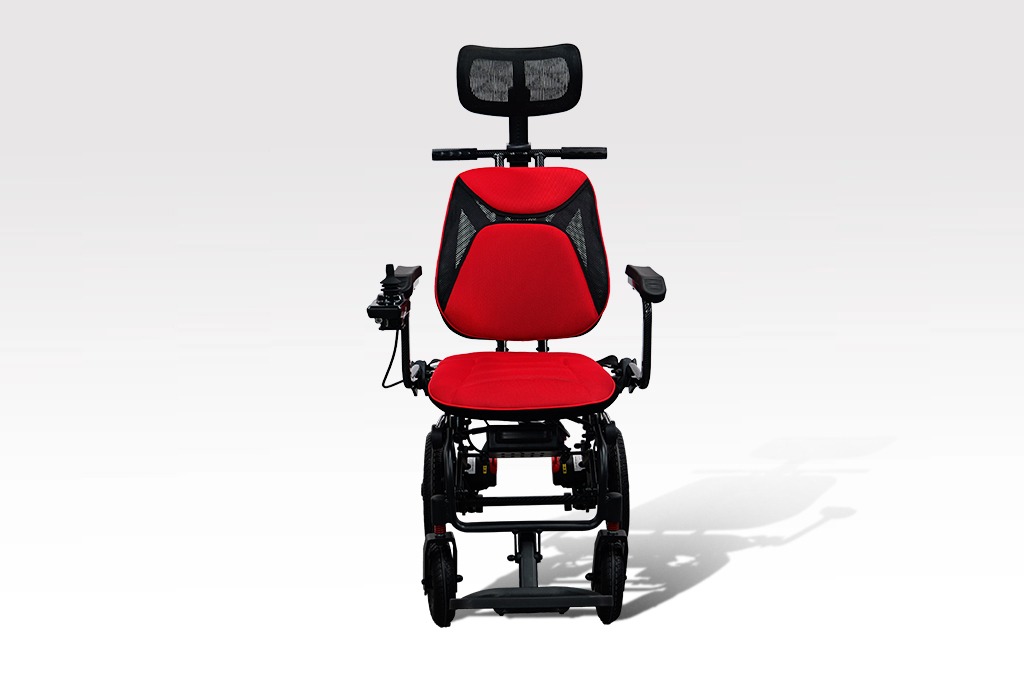
The SCIFFTO E100 provides a practical middle ground. It features a simple folding system, dual-motor power for stable daily riding, ergonomic seating, and a usable range for indoor and short outdoor trips. The lighter structure and compact folded size support easy transport without extreme specialization. It suits users who want reliable portable electric wheelchair performance for everyday life and short travel.
Full specifications, additional models, and OEM customization options are available through the official SCIFFTO website. The real test of any design is how it performs in the situations users face every day.
Real-World Situations These Chairs Handle Well
Design features matter most when they remove specific daily obstacles.
Loading into a Car Alone
One person can lift the folded R100 into a regular sedan trunk. The ultra-light carbon fiber body removes the heavy-lifting barrier that stops many users from traveling independently.
Crossing Uneven Sidewalks and Thresholds
Higher frame rigidity and better traction help keep the chair controlled on brick paths and small gaps. The sliding sensation common with lighter aluminum models is reduced. Users move with more confidence outdoors.
Navigating Tight Indoor Spaces
A tight turning radius and precise steering make elevators, narrow hallways, and restaurant aisles manageable. Both the R100 and E100 support freer movement in the confined spaces where many people spend most of their time.
Airport and Short-Trip Travel
Compact folded dimensions plus removable airline-compliant batteries simplify air and road travel. Users can take the chair farther without relying on others for lifting or storage.
These everyday scenarios show the practical value of combining low weight with real stability and agility. Even with strong design features, buyers can still make costly mistakes during the selection process.
Common Buying Mistakes and Clear Answers
Many people focus on the wrong details and end up with chairs that still create problems.
Frequent Pitfalls to Avoid
- Trusting only the advertised weight without checking the battery-included figure.
- Ignoring tire type, wheel size, and motor torque.
- Choosing the absolute lightest option while sacrificing structural rigidity and traction.
- Overlooking turning radius and folded size for real travel and indoor use.
Quick Answers to Common Questions
Q: Do lightweight electric wheelchairs really slide on uneven surfaces?
A: Yes. Small casters, hard tires, and insufficient torque are frequent causes. Models with higher rigidity, better tires, and stronger dual motors handle these surfaces more reliably.
Q: Why is carbon fiber better than aluminum for this use?
A: Carbon fiber provides a superior strength-to-weight ratio. It keeps the chair light while maintaining the rigidity needed to resist sliding and support daily durability.
Q: Can one person lift and load the chair into a car?
A: True ultra-light carbon fiber designs such as the R100 make this realistic. Many typical “lightweight” models still require help once the battery is included.
Q: Is the chair suitable for air travel, and are the batteries airline-compliant?
A: Models equipped with removable airline-friendly lithium batteries are designed for this purpose. Always verify the latest airline rules and battery watt-hour limits before travel.
Clear answers to these questions remove remaining uncertainty and support a confident decision.
Choose a Chair That Solves Real Daily Problems
A good light weight electric wheelchair must stay stable on uneven ground, remain light enough for one-person lifting, deliver practical range, and turn tightly in small spaces. Sliding, excess weight, and limited maneuverability are solvable with the right materials and design.

The SCIFFTO R100 focuses on ultra-light carbon fiber performance. The E100 offers balanced portability for everyday use. For full specifications or OEM inquiries, visit the official SCIFFTO website or contact the team directly.